Why Fencing in Virginia Covers Homes and Industry
- 97.5% of homes are separate houses Source: ABS 2021 Census QuickStats, Virginia
- 49.2% of homes owned with a mortgage Source: ABS 2021 Census QuickStats, Virginia
- Industry here since about 1892 Source: Queensland Places – Virginia
Local context
Virginia is a compact suburb of about 3 square kilometres and 2,395 residents (ABS 2021). Virginia Brick began operating near the station around 1892, and factories followed along the North Coast railway. Housing grew strongly from the late 1950s, and today nearly all dwellings are detached houses, while commercial uses line the rail corridor.
Common challenges
That mix puts homes and businesses close together. Commercial sites face after-hours security risks and constant vehicle movement, which is hard on gates and corner posts. Households, many carrying a mortgage, want a sound fence without paying for more than they need. Security fencing Virginia businesses install sits only a street or two from backyards.
Why it matters
For a business, a weak perimeter or damaged gate can mean theft, downtime or failed insurance conditions. For families, the fence is about keeping children and pets safe and making the yard usable, and the budget needs to stretch.
Our approach
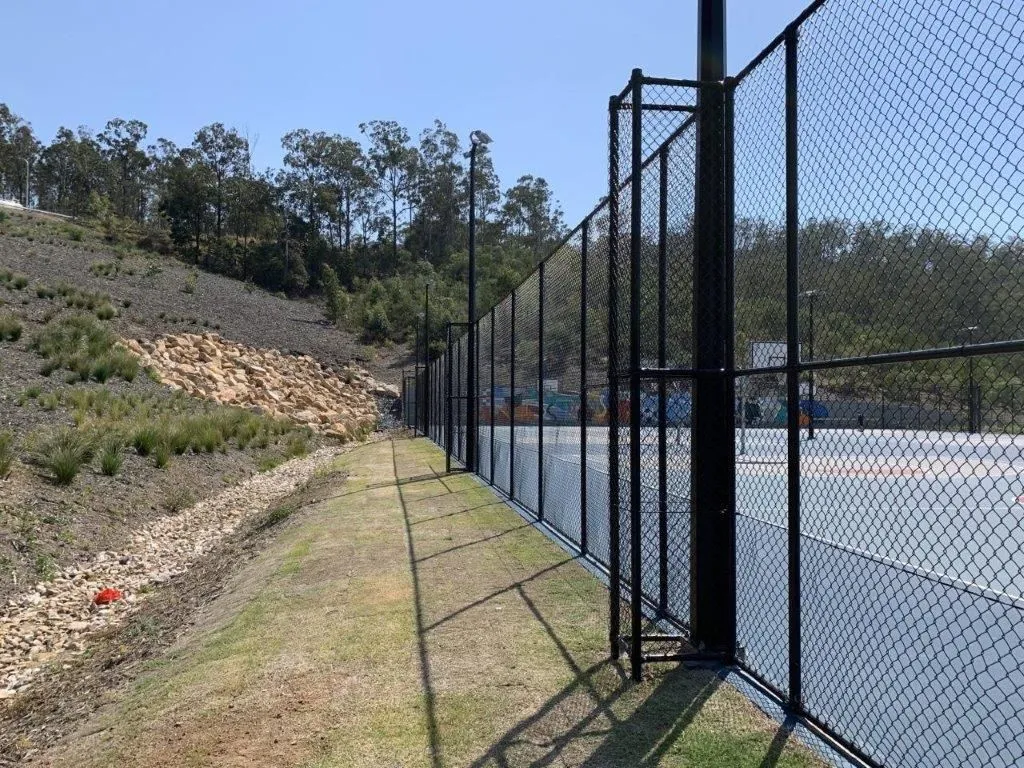
We match fencing in Virginia to the job. Commercial sites get heavier posts, bracing at corners and gates, and security options sized to the risk. Homes get durable chain wire that's cost-effective and can be extended or repaired later. Because our workshop borders the suburb, fencing in Virginia also comes with fast access to spare parts.
Sources: ABS 2021 Census QuickStats – Virginia (SAL32949); Queensland Places – Virginia
Common Fencing Problems We Fix in Virginia
These problems come up regularly when we quote fencing in Virginia, at both commercial sites and family homes. Each includes the cause, why it matters and how we fix fencing in Virginia for good.